
Winter weather causes fear among homeowners who rely on solar-powered generators for backup power. Shorter days, snowfall, and frigid temperatures all have an impact on performance. Many people ask if these systems still offer consistent electricity throughout the colder months. Solar generators employ panels to capture sunlight and batteries to store electricity. Both components react differently to cold weather. Understanding how solar availability and low temperatures affect output allows you to prepare more efficiently. This tutorial describes how solar panels and batteries react in the winter and provides practical techniques for ensuring consistent performance when temperatures decrease.
How Do Solar Panels Perform in Winter Weather?
Sunlight Hours, Low Sun Angle, and Shorter Days
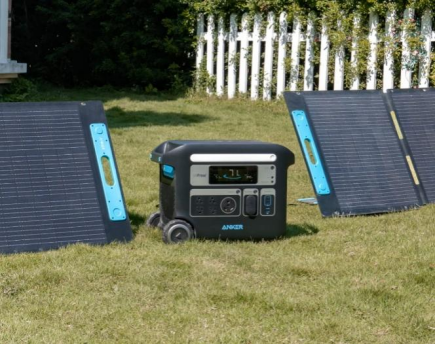
Winter offers fewer daylight hours and lower sun angles. These variables limit overall daily solar generation. Even on clear days, panels receive less direct sunlight than in the summer months. Lower sun angles also affect how well panels catch light. Users may experience slower charging and less power in December and January. However, solar panels continue to create power anytime sunshine strikes them. Adjusting panel tilt and increasing exposure can help enhance winter performance. Although total production is declining, solar generators remain useful when properly installed and backed by suitable battery storage.
Snow Coverage and Panel Placement Strategies
Snow buildup can obstruct sunlight, reducing production greatly. Even a little covering of snow reduces energy generation. To avoid surface damage, use a soft brush to carefully clean panels after snowfall. Proper panel placement also helps. Installing panels at a steeper slope allows snow to fall off naturally. Ground-mounted systems are easier to maintain than roof installations. Avoid shade from neighbouring trees or structures, which is especially obvious in winter when the sun is lower in the sky. Active monitoring and periodic cleaning guarantee that panels continue to function efficiently even in snowy circumstances.
Cold Temperatures and Solar Panel Efficiency
Cold weather does not always reduce panel efficiency. In reality, solar panels frequently function significantly better in cold weather than in excessive heat. Lower temperatures lower electrical resistance inside panel components, increasing output efficiency. However, fewer daylight hours continue to restrict overall daily production. The biggest issue in winter is restricted sunshine, not chilly air. Users should prioritize maximizing exposure while minimizing shade. While freezing temperatures do not immediately destroy panels, appropriate mounting and waterproof installation prevent ice formation and structural stress.
How Does Cold Weather Affect Solar Generator Batteries?
Lithium-Ion vs LiFePO4 Performance in Freezing Temperatures
Battery chemistry affects cold-weather performance. In cold conditions, standard lithium-ion batteries may momentarily lose capacity. Charging below the prescribed temperature limits may cause battery damage. LiFePO4 batteries are typically more thermally stable, although their charging efficiency suffers in extreme cold. Both battery types work best within their designated operating ranges. Users should reference the manufacturer's specifications for minimum charging temperatures. Understanding these variations allows you to select the best system for winter use and prevent performance concerns during cold weather.
Charging Limits and Built-In Battery Protection Systems
Most current solar-powered generators have battery management technologies that control charging in cold conditions. These technologies restrict charging when temperatures fall below safe levels. Automatic protection lowers the possibility of irreversible battery damage. However, charging may be momentarily restricted due to preventative shutdowns during cold temperatures. Users should keep an eye on temperature indications and avoid pushing the operation beyond the specified limits. Built-in protections enhance long-term durability but need appropriate use. Understanding charging restrictions promotes proper winter performance and battery health.
Safe Storage and Operation in Sub-Zero Conditions
Storing a solar generator properly during winter protects battery lifespan. When not in use, store the device somewhere dry and insulated. Avoid keeping it outside in subzero conditions for a lengthy period of time. If outdoor use is required, insulate the battery compartment and monitor temperature readings. If temperatures fall below the manufacturer's recommended range, bring the generator indoors before charging. Proper storage prevents both deep discharge and thermal stress. When you require backup power during a winter storm, consistent maintenance ensures that everything works well.
How to Maximize Solar Generator Performance in Winter?
Increase Solar Panel Capacity and Optimize Tilt Angle
Increasing solar panel capacity helps compensate for fewer winter days. Larger arrays capture more sunlight, increasing recharging speed. Adjusting the panel tilt to a higher angle enhances exposure to low winter sunlight. A correctly slanted arrangement captures more direct sunshine while reducing snow buildup. Seasonal tweaks increase efficiency without replacing equipment. If your generator can handle increased input watts, try increasing panel connections. Strategic location and greater capacity lead to more consistent winter charging and improved overall performance.
Manage Energy Use and Prioritize Essential Loads
Winter storms can boost electrical demand for heating and lights. Prioritize vital items like refrigerators, lighting, and communication devices to ensure a solid backup. If it is not absolutely required, avoid using high-wattage equipment. Monitor battery levels and output load to avoid sudden shutdowns. Reduced total usage increases available runtime during foggy situations. When sunlight availability is restricted, smart energy management becomes even more crucial. Careful preparation ensures that your solar-powered generator meets crucial demands during winter outages.
Combine Solar with Grid or Backup Charging Options
The dependability of solar energy throughout the winter months can be improved by combining it with other charging techniques. Most generators support wall charging or car charging in addition to solar panels. Utilising grid electricity before a storm guarantees that batteries will begin the storm fully charged. Through the use of additional charging, capacity may be restored more quickly during lengthy overcast periods. There is less reliance on the unpredictability of winter sunshine when hybrid charging solutions are utilised. Even if solar production drops, there is still a continuous supply of energy available thanks to flexible charging choices.
Conclusion
In winter, solar-powered generators can function well if users are aware of the environmental constraints. Cold temperatures by themselves do not halt performance, but snow and shorter days decrease solar production. System health is preserved by appropriate battery management and storage. You can keep reliable backup power by boosting panel capacity, modifying tilt, and controlling energy use. Additional security is added by combining solar power with other charging techniques. When properly set up, solar generators may provide dependable power even in the most severe winter weather.